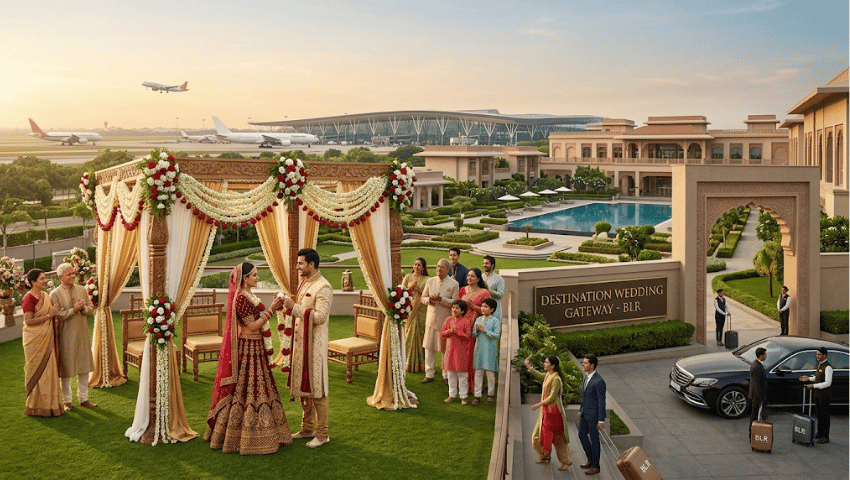



For HR teams, a corporate party venue earns its keep long before the evening wraps up. It shows up in how quickly guests find parking, how the food holds up three hours in, and whether you spent the night coordinating or actually enjoying the celebration. Nail the fundamentals: capacity, catering, access, and honest pricing and the rest of the event tends to take care of itself.
When the Celebration Brief Ends Up on Your Plate
The brief arrives without much ceremony. Leadership needs a venue for 250 people, food that goes beyond the usual buffet spread, and an atmosphere that actually feels like the company means it. The timeline is tighter than anyone wants to admit. There is no dedicated event planner on the org chart, no one to hand this off to. So it lands where these things often do with HR, sandwiched between two other priorities and a calendar that was already full.
The first few results seem worth exploring. Then the details start arriving. The venue that looked stunning in every photo turns out to sit on the wrong side of Bangalore’s evening traffic, adding a solid hour to any guest’s commute. The one with the tidy quote starts looking less straightforward once you actually ask what the number includes. And the third option, which genuinely appeared to have everything, lists parking for fifty vehicles against a guest list that needs five times that on a quiet night.
It is a familiar spiral. The venue looks right on the screen, the initial quote clears the rough budget, and then the follow-up questions start arriving and the picture shifts. What exactly is in that price? How does the kitchen actually perform when three hundred people are moving through a buffet line at once? A corporate party that lands well earns real goodwill within a team, the kind that lingers for months. One that disappoints earns a different kind of reputation, and that one tends to stick just as long.
Here is what this guide gives you:
- A sharper way to move through the shortlist without spending weeks going in circles
- The venue details that rarely show up in a brochure but tend to define how the night actually feels
- A no-nonsense checklist that makes the comparison easier and gets your approval moving faster
Why Corporate Event Planning in Bangalore Is Trickier Than It Looks
Open any search engine and look for event venues in Bangalore, and the results come back fast and thick. Hundreds of listings, dozens of location pins, and a scroll that keeps going long after you have stopped finding anything useful. The volume feels like an advantage until you actually try to use it. Most listings tell you almost nothing that helps a room capacity, a starting price, and a photo taken on the one day the space looked its absolute best.
The challenges that come up tend to follow a familiar pattern.
Venue confusion from listings alone
Listing photos are designed to flatter. The room is empty, the lighting is flattering, and whoever took the shot picked the angle that makes the space look its most generous. None of that tells you how the hall actually feels once the stage is built out, the food stations line the perimeter, and two hundred people are moving through it at once. The only way to know that is to visit in person before you commit.
When the Numbers Stop Adding Up
Two venues quoting the same number can be describing completely different evenings. One figure bundles the room, the food, the staff, and the setup into a single line. The other is just the hall, with catering, AV, and decor arriving as separate invoices once you are already committed. That kind of ambiguity does not just make comparison harder – it slows down every internal approval conversation that follows.
Bangalore traffic and location
The venue’s address matters more than most shortlists give it credit for. Bangalore after 6 PM is its own problem, and a location that adds forty minutes of gridlock to an already long workday changes the math on attendance, mood, and how much energy your team actually has when they walk in. A venue that most people can reach without dread is not just convenient – it is doing quiet, invisible work for the success of your evening before a single guest has arrived.
Parking that cannot keep up
Peak arrival is its own problem. Cars, rideshares, and office shuttles all show up in the same twenty-minute window, and a venue that cannot absorb that kind of volume sets a poor tone before anyone has even stepped inside. The first impression of your carefully planned evening should not be someone’s team member walking three blocks in the dark because the car park was full by 7:15.
Food: The Part Everyone Remembers
Come Monday morning, the conversation at the coffee machine is rarely about the venue’s lighting or how the stage was dressed. It is about what was on the buffet and how it held up three hours in. A spread that ran thin by 8 PM, or a kitchen that clearly did not plan for the actual crowd size, tends to follow an event around for longer than anyone wants. Get the food genuinely right, in variety, in quality, in timing and it becomes one of the things people actually credit to the evening.
Coordination pressure on HR
You are not a full-time event planner, yet the entire evening reflects on you. A venue that leaves logistics to you adds stress. One with a dedicated coordination team quietly takes that weight off your shoulders.
Once these challenges are clear, shortlisting gets easier. You stop chasing the prettiest photo and start looking for the venue that solves the most problems at once.
What Actually Makes a Corporate Party Venue Worth Booking
A premium price should buy more than a nice chandelier. Here is where real value shows up for a corporate crowd.
Space that fits your team comfortably
Venue listings love round numbers. A hall that seats 300 on paper starts looking quite different once a stage claims the front third, the buffet stations run along both walls, a DJ takes a corner, and you actually need guests to circulate without it feeling like a fire drill.
A useful rule:
- Add a buffer of around 15 percent to your expected headcount, not because you are being pessimistic, but because real guest counts rarely match the final RSVP number exactly
- Ask for capacity figures based on your actual setup, not the open-room maximum, because the number changes considerably once a stage, buffet stations, and seating are all in place
- Find out how the space transitions between a seated dinner and the open portion of the evening, since those two phases put very different demands on the room
A hall with room to spare does more than look generous. Guests settle in faster, the buffet line keeps moving, and people actually stay through the evening because the space lets them relax rather than negotiate their way through it.
Food That Gets Brought Up in Conversation Days Later
At this price point, the room is table stakes. What separates a forgettable evening from one people bring up weeks later is almost always what came out of the kitchen.
Look closely at:
- A menu wide enough to cover different cuisines and genuine dietary options, not a token vegetarian corner tucked at the end of the buffet
- Live counters that add energy to the room, a buffet that keeps moving without creating a queue situation, and plated service available when the format calls for something more considered
- Food that actually arrives at the right temperature because someone planned the timing, not just hoped it would work out
- The same quality on every plate at 9 PM as there was at 7 PM, not just during the pre-booking tasting when the kitchen had one table to impress
The gap between a hall that merely looks premium and one that actually feels it often comes down to what is happening behind the service counters. Feeding a large corporate crowd well takes more than a good menu on paper – it takes a kitchen with the right capacity, staff who know how to pace service across a long evening, and an operation that does not visibly struggle once the numbers get real. Properties that regularly handle private dining at a high standard tend to carry those habits into larger formats, so it is worth asking about both when you do your site visit.
Guest experience in the small details
Employees notice comfort even when they cannot name it. Clean and plentiful washrooms. Good air conditioning. Comfortable seating. Clear signage so nobody wanders around looking lost.
The details that never make it into a venue listing are often the ones guests feel most. A washroom that cannot keep up with the crowd, a room that runs too warm by 9 PM, seating that feels like an afterthought – these things register even when nobody consciously clocks them. When a venue gets all of it right, your team leaves feeling genuinely looked after, and that quietly reflects on the person who made the choice.
When the Venue’s Team Carries the Evening
When a venue team has run enough of these evenings, they stop reacting and start anticipating. The coordinator who has seen a buffet run low, a speaker system cut out, or a schedule slip by fifteen minutes knows how to get ahead of each one before it becomes your problem. That kind of experience does not announce itself – it just makes the evening run better than you had any right to expect.
This is the quiet value HR teams appreciate most. You get to enjoy the evening with your colleagues instead of chasing vendors.
A reliable indoor backup
Bangalore’s weather does not negotiate. A venue that looked perfectly set up under clear afternoon skies can become a logistical headache the moment the clouds roll in, and they often do, quickly and without much warning. If any part of your evening involves an outdoor space, get a firm answer on the indoor backup before you sign anything. “We can arrange something” is not the same as a covered hall that is fully set up and ready to absorb the entire event at short notice.
The bottom line: a venue justifies its cost through specifics, not impressions. Does the space actually fit your team once everything is set up? Does the food hold up three hours into the evening, not just at the tasting? Do guests move through the night without friction? Is there a team quietly managing the details so you do not have to? And if the sky opens up, is there a real plan ready to go? When the answers are genuinely yes, the price stops being a question.
Capacity and Cost: Planning the Numbers
Finance teams ask harder questions when the numbers are unclear, and venue pricing is rarely as transparent as it first appears. Getting a fully itemized breakdown before you commit gives everyone in the approval chain something concrete to work with, and it keeps the conversation from cycling back to the same questions.
Understand what the quote includes
Before comparing figures, ask each venue exactly what the price covers.
- Hall rental and setup hours
- Catering per head and any minimum guarantee
- Service staff and coordination
- AV, lighting, and stage setup
- Basic decor versus premium decor
- Taxes and any add-on charges
Comparing venues only works when the quotes are actually covering the same ground. Price searches tend to surface the most competitive-looking numbers first, and those numbers tend to have the most missing from them. Ask what each figure actually includes, and the picture changes. The venue that looked like the expensive option often has everything already accounted for. The one that looked affordable has a longer invoice waiting once you start adding food, AV, and staffing back in.
Match capacity to a realistic headcount
Corporate RSVP numbers are slippery. Some people bring a plus one, others skip at the last minute. Plan around your confirmed count with a small buffer rather than the optimistic maximum.
Ask About Bundled Event Packages
Many venues put together bundled packages specifically for corporate bookings – one price that covers the room, the catering, and the on-site team. For anyone who has had to justify a multi-line event proposal to a finance team, that kind of consolidated quote is a genuine advantage. It is easier to approve, easier to track, and far less likely to generate a follow-up conversation about where the additional costs came from.
Leave Room for the Unexpected
Set aside a small portion of your budget – call it a quiet insurance policy. Around five to ten percent works well. Leadership tends to have a last-minute idea. The schedule shifts. Someone decides the bar should stay open another hour. These things are not exceptions; they are just how live events go. Having a little financial room to absorb them means you make the call without hesitation rather than reworking numbers at 6 PM on the day.
The Mistakes That Cost HR Teams the Most
None of what follows should come as a surprise. These are the same issues that trip up event planning again and again, and they keep happening because nobody flagged them early enough.
- Judging by photos instead of a site visit. A hall that photographs beautifully can still disappoint on the night. What the camera cannot show you is how the space holds up with a stage, a full buffet, and two hundred people actually in it.
- Picking a venue the team has to work to reach. After a full day at work, a forty-minute commute to the party is not a minor inconvenience. It arrives at the door before your guests do, and it shows.
- Treating parking as someone else’s problem. When three coaches and a hundred rideshares all pull up in the same window, a venue with fifty parking spots becomes the story of the evening, and not the one you planned.
- Skipping the rain conversation. One outdoor segment without a solid covered backup is a gamble. Get the indoor alternative confirmed in writing, not mentioned casually during the tour.
- Taking the menu on trust. A tasting is not optional. It is the one moment you actually find out what the kitchen can do before your entire team finds out instead.
- Comparing numbers without reading them. Two quotes that look similar on paper can represent completely different evenings once you see what each one includes and what it quietly leaves out.
- Assuming the AV is handled. Sound that cuts out mid-speech or a screen nobody at the back can read does more damage to the evening than most planners expect. Confirm it. Test it. Make sure someone qualified is there when it matters.
- Booking when it feels convenient rather than when it is smart. The venues worth booking in Bangalore do not sit empty through festive season and year-end. Waiting until the calendar clears means settling for whatever is still available.
Spot these early and the shortlist practically writes itself. The options that remain are the ones worth spending time on, and the final decision tends to follow naturally from there.
Picking the Right Venue for the Right Kind of Event
Not every event format calls for the same room, and trying to force one space to serve all occasions rarely works in anyone’s favor. A venue that suits a seated award dinner can feel stiff and oversized for a casual team lunch, while a relaxed outdoor setting that works for a midday offsite falls apart when you need a stage and proper AV for an evening celebration. Knowing what kind of event you are planning before you start looking at venues is the single step that stops the shortlist from growing longer than it needs to be.
Annual Parties and Year-End Celebrations
Year-end events tend to be the ones people judge hardest, because everyone already has a picture of what a good one looks like. The headcount is at its peak, leadership is watching, and the margin for a quiet disappointment is essentially zero. What that calls for is a venue with genuine scale, a stage and sound system that actually fill the room, food stations that can handle the full crowd without stalling, and enough open floor that people are not negotiating personal space all evening.
Milestone and award nights
Recognition events have their own expectations attached to them. Guests arrive knowing the evening is meant to mean something, and the venue needs to hold up to that. AV that fumbles mid-presentation, seating that encourages people to leave early, or food that feels like a afterthought all send the wrong message on a night when the whole point is to say the opposite.
Team lunches and smaller gatherings
For smaller groups, a private dining space or one of the better restaurants for a corporate party in Bangalore does the job without the overhead of a full banquet booking.
Offsites and team building
Some leadership teams want the group out of the office and somewhere that actually feels different – a resort or club property where the schedule has room to breathe and the afternoon does not feel like a meeting with a different backdrop. Others build a night’s stay into the plan, which gives the team a proper reset and tends to do more for cohesion than a dozen team-building exercises ever could.
Lead with the format, not the venue. Once you know what kind of evening you are planning, the list of suitable spaces shrinks quickly and naturally, and the budget stops wandering toward options that look good but serve the wrong occasion.
Why the Stakes Around Corporate Events Have Changed
For a long time, the annual party sat comfortably in the “nice to have” column. A date on the calendar, a line in the budget, something the team looked forward to and forgot about by February. That has changed. Companies now understand, sometimes painfully, that how they celebrate their people is read as evidence of how they actually treat them. It reflects the culture they are building, the kind of workplace they want to be known as, and whether the people inside it have good reason to stay.
India’s event industry has grown into something the numbers no longer let you ignore. The sector is now valued at close to ₹1 lakh crore, with corporate gatherings claiming a steadily larger share of that figure as companies put real budget behind the idea that how you celebrate your people says something about how you run your business.
The 2025 data puts conferences and seminars at around 31 percent of all corporate event activity, with team celebrations and product launches closing the gap behind them. That figure is less interesting as a statistic and more interesting as a signal – companies are not just spending more on their gatherings, they are expecting more back from them. The bar has moved, and it has moved in one direction.
A few observable trends stand out:
- Food expectations have quietly raised the bar. Teams that attend well-run events start measuring every subsequent one against that standard. A venue that cannot hold quality across a full evening – not just the first round of the buffet – tends to become the reason people remember the night for the wrong reasons.
- HR teams are choosing venues that come with a built-in team. Managing an event on top of a full workload is its own ask, and more planners are choosing venues that handle the operational side rather than properties that hand the coordination back to them once the deposit clears.
- Everything under one roof is no longer a bonus – it is becoming the baseline. When the space, the catering, the service team, and the accommodation all sit with the same venue, the number of things that can go sideways between vendors drops considerably. That simplicity has real value when the timeline is short and the guest list is long.
- Teams want the event to feel like it was built for them. A package that clearly went to twenty other companies that quarter does not land the same way. Venues that can genuinely adapt, in menu, in setup, in tone, are the ones getting recommended after the evening ends.
The venue choice itself carries a message. When employees walk into a space that was clearly chosen with them in mind, where the food is good, the room has room, and the evening runs without anyone having to chase anything, they register that without being told to. It is not about the budget spent. It is about whether the effort was genuine. Companies that consistently get this right tend to find that the goodwill it builds is quieter than a policy change and more durable than almost any benefit they could put in a handbook.
Where Brigade Hospitality Fits In
Brigade Hospitality covers more ground than most hospitality groups in Bangalore, and for HR teams working with a short runway, that range matters more than it might first appear. Rather than one well-dressed room that works for one kind of event, the group brings together enough variety to handle most of what a corporate calendar actually throws at you.
Rather than a single hall, the group offers a spread of settings and services suited to different corporate needs:
- Banquet halls in Bangalore built to handle the full weight of a year-end celebration or an awards night, with AV, staging, and service infrastructure already in place
- Premium event spaces with enough flexibility to hold a formal seated dinner at 7 PM and a lively open floor by 9 PM, without either half feeling like a concession
- Conference halls in Bangalore designed for the structured, agenda-driven end of the corporate year, where the setup needs to work as hard as the people in the room
- Club and resort settings that give a corporate day outing genuine breathing room, and extend naturally into a team offsite where people are not just present but actually relaxed
- In-house dining and catering backed by kitchens experienced enough to maintain quality through a long evening, across a large and varied crowd, not only during the opening hour
- Event formats that scale in both directions, handled with the same level of attention regardless of whether the guest list runs to thirty people or three hundred
A corporate calendar rarely repeats itself from one quarter to the next. The March conference needs a completely different room from the December party, and the mid-year offsite calls for something else again. A hospitality group with genuine range across weddings, club experiences, and staycation properties does not just have more options on a menu – it has accumulated the kind of operational depth that shows in how each event actually gets run, not just how it gets sold.
Locations spread across Bangalore mean the venue can actually be on the way home rather than a detour nobody asked for, and that changes how the evening starts before a single thing has been organized. Parking follows the same logic – a well-placed property with genuine capacity does not become a problem the moment three company buses pull in at once. On the pricing side, consolidated event packages give finance a single number to review rather than a spreadsheet of line items, which tends to move the approval process along considerably faster than a itemized negotiation does.
None of this replaces your own site visit and comparison. It simply gives you a trusted starting point, with the all-in-one support that removes much of the usual planning weight.
Your Corporate Party Venue Checklist
Run through this before you sign anything. Not every venue will clear every point, but the ones that come close are almost always the ones worth booking.
- Does the space actually fit your people? Factor in the stage, the buffet layout, and the furniture before you trust the listed capacity number.
- Can your team get there without a detour? A venue that adds traffic stress to the end of a workday changes the mood before the evening begins.
- Will the car park hold up? Think about peak arrival, not average occupancy. Company shuttles, cabs, and personal vehicles all show up within the same short window.
- Have you actually tasted the food? A menu that reads well and a kitchen that delivers at scale are two different things. Find out which one you are getting.
- Is the rain plan real? If any part of the evening is outdoors, confirm that the indoor alternative is fully ready to absorb the event, not just theoretically available.
- Who handles it when the AV fails? A technician who set up the system and left is not the same as one who stays through the evening and knows the setup well enough to fix it quickly.
- Where do out-of-town guests sleep? If the event draws people from outside the city, on-site or nearby accommodation removes a complication that would otherwise land back on you.
- Is there one person who owns the evening? A coordinator who is reachable, accountable, and already briefed on your event is worth more than a long list of contacts with divided responsibilities.
- Does the quote reflect the actual cost? Ask for a fully itemized breakdown and read it carefully before anything is signed.
- Will every guest move through the space comfortably? Clean facilities, adequate seating, and clear access matter for every person in the room, not just the ones at the front tables.
Score each venue on what it actually delivers, not on how it presents itself. The one that holds up across the criteria that matter tends to be the right call, even if another option has better photography.
Frequently Asked Questions
- How do I choose the right corporate party venue in Bangalore for my team size?
Start with your confirmed headcount, then add roughly 15 percent as a buffer. Confirm the capacity for your actual layout, since a stage, dining setup, and mingling space reduce usable room. A venue that fits comfortably keeps queues short and energy high all evening. - What should a corporate party venue quote include?
A clear quote should cover hall rental, setup hours, catering per head, service staff, AV, decor level, and taxes. An itemized breakdown lets you compare venues fairly and speeds up internal approvals. When one option looks cheaper, always check what it leaves out. - Are all-in-one venues better for corporate events?
For most HR teams, yes. An all-in-one venue combines space, food, service, and sometimes stay under one coordination team. That reduces vendor juggling, simplifies planning, and gives you a single point of contact, which matters a lot when you are managing an event alongside your regular job. - How far ahead should HR teams book a corporate party venue?
Aim to book at least six to eight weeks in advance, and earlier for year-end and festive season events. Popular event venues in Bangalore fill up quickly during peak months, so early booking gives you better date options and more room to negotiate corporate packages. - What are common mistakes HR teams make when booking a venue?
The frequent ones are choosing on looks alone, ignoring travel time, underestimating parking, skipping the food tasting, and comparing only headline prices. Confirming an indoor backup and reliable AV also gets overlooked, and both can affect the evening more than the decor does.
An Easier Way to Plan Your Next Team Celebration
Choosing among corporate party venues in Bangalore comes down to one honest question. Does the venue deliver where it matters most, on space, food, comfort, coordination, and convenience? When those pieces line up, the planning feels lighter and your team walks away with a celebration they actually remember.
Take your time. Visit in person, taste the food, ask about parking and backup plans, and read every quote closely. A little diligence now saves a lot of stress on the day.
If you are planning a team celebration and want a hospitality partner that brings space, dining, and professional coordination together, Brigade Hospitality is a good place to start the conversation. Reach out to explore available event spaces and corporate packages, and find the setting that fits your team and your budget.