

It always seems to start the same way. A meeting invite drops on a Thursday afternoon, cheerful as anything. “Full day leadership workshop, 40 participants, lunch included.” Someone on the learning and development team reads it, nods like a professional who has everything under control, then feels the floor tilt slightly. Now there is a room to find. One that seats everyone, keeps the projector from dying, gets food out on time, and somehow keeps forty adults engaged from nine in the morning until the clock crawls to five. I have sat in on that exact moment of quiet dread more times than I would like to admit, usually right after the booking goes out and the bravado fades.
Here is the truth nobody hands you on day one. A workshop succeeds or stumbles based on the room it lives in. Pick well from the corporate training and workshop venues in Bangalore, and the day glides along like a play that has been rehearsed for weeks. Pick badly, and you spend the first hour on your knees hunting for a spare extension cord while apologizing for lukewarm coffee.
So this guide takes HR, admin, L and D, and management teams through the things genuinely worth checking before signing anything. Seating, screens, sound, food, access, and that quiet skill of keeping a room awake for an entire day.
Quick takeaways:
- The room itself shapes attention, comfort, and the real learning outcome far more than the agenda ever will.
- Tiny things like tea break timing and internet speed quietly decide how the whole day feels.
- A simple checklist before booking spares you the eleven a.m. scramble that nobody enjoys.
Why Booking a Training Venue Trips Up Even Experienced Teams
A training session is no ordinary meeting with a few slides thrown in. People sit for hours, take in information, jump into activities, and genuinely hope to leave a touch wiser than they walked in. The space has to hold all of that up without ever getting underfoot.
The familiar trouble spots tend to look like this:
- Wrong room size, leaving people either packed in tight or scattered across a hall that swallows the energy.
- Tech that lets you down, from a faint projector to internet that crumbles the second everyone connects.
- Catering that breaks the rhythm, with breaks that stretch on and lunches that turn up late.
- Distracting surroundings, like a noisy corridor or dull lighting that flattens focus by afternoon.
On their own, none of these feel catastrophic. Stacked together, though, they can stretch a promising workshop into a long and restless day. The reassuring part is that a well chosen venue quietly handles most of them before you even park the car.
Seating Layouts That Match the Way People Learn
Seating is not decoration. It shapes how people talk to each other, how clearly they see the screen, and how comfortable they feel once hour four rolls around. Different sessions ask for different formats, so let the layout follow the purpose.
Common seating formats and where they shine
- Classroom style: Rows facing the front, well suited to content heavy training where note taking carries the day.
- U shape: An open horseshoe that invites discussion and keeps the facilitator within arm’s reach of everyone.
- Cluster or pod seating: Small groups at separate tables, ideal for breakout activities and team exercises.
- Boardroom style: A single large table for senior leadership sessions and focused strategy work.
A flexible training room that moves between these setups gives you room to breathe. If your morning leans on presentations and your afternoon turns hands on, you want a space that bends with the agenda rather than wrestling against it.
Mini tip: Ask how long a layout change actually takes. A venue that reshuffles the room during lunch spares you an awkward stretch of standing around.
Projector Setup, Screens, and Visual Clarity
Few things deflate a workshop faster than a slide nobody can read. Visual setup earns real attention here, since most training leans hard on slides, video clips, and shared screens.
Before you commit, run through these:
- Projector brightness matched to the room, so afternoon light does not bleach the screen into a faint smudge.
- Screen size and placement that every seat can take in clearly, the back row included.
- Backup display options, like a second screen for wider rooms.
- Easy connectivity for laptops, with adapters waiting for the cable mismatch that always seems to appear.
Try a quick test run with your own device if you can swing it. A projector that behaves beautifully in an empty room can develop a personality the moment the lights dim and forty laptops pile onto the network.
Sound and Internet: The Quiet Essentials
These two almost never make it onto anyone’s wish list, and yet they quietly run the show. Weak sound and shaky internet have wrecked more sessions than any missing flip chart ever managed.
For sound, confirm:
- Clear microphones for facilitators, with a handheld or lapel option ready.
- Even audio coverage so the back rows hear as well as the front.
- Minimal echo, since hard surfaced halls have a way of muddying every word.
For connectivity, the bar sits higher than most people expect:
- Strong, stable internet that holds firm when every participant logs on at once.
- Dedicated bandwidth for hybrid sessions and live streaming.
- A simple backup plan for the moment the main line wobbles.
One blunt question tends to reveal everything: “What happens to the internet when fifty devices connect during a live demo?” The answer tells you exactly how ready the venue really is.
Tea Breaks and Lunch Planning Without the Lag
Food does far more than feed people. It resets attention, loosens conversation, and gives the day a sense of rhythm. Mistime it, though, and you lose the room for a good twenty minutes longer than the schedule promised.
Smart break planning tends to look like this:
- Mid morning tea to lift the energy before attention starts to sag.
- A well paced lunch that satisfies without sending everyone into a post meal coma.
- An afternoon refreshment to carry the group through the final stretch.
As you review dining and catering, look for menu flexibility, brisk service that respects your timetable, and a comfortable place to eat sitting close to the training room. Long marches to a distant dining hall nibble away at your agenda fast.
A venue with solid in house dining and catering takes one big variable off your plate. Hot food on time, fewer vendors to chase down, and a smoother day from start to finish. Warm drinks and light snacks also work small miracles on morale during that mid afternoon slump we all secretly dread.
Accessibility and Parking: First Impressions Start at the Gate
Your workshop begins the instant people arrive, not when the first slide finally appears. A smooth entrance sets a calm, professional tone for everything that follows.
Give these factors priority:
- Ample on site parking for the rush of people arriving around the same time.
- Easy access from major parts of the city to keep commutes from souring the mood.
- Step free routes, ramps, and lifts for every attendee, senior leaders and anyone with mobility needs very much included.
- Clear signage so no one ends up wandering the building in search of the right room.
These details rarely earn a line on a feedback form, and yet they shape comfort more than almost anything else. A participant who parks without fuss and walks straight in tends to arrive ready to engage.
Ambience and Attendee Focus
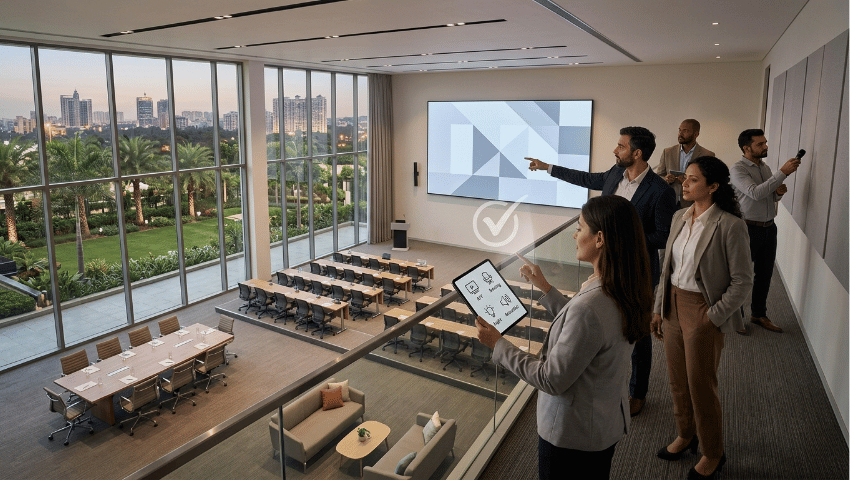
A full day asks a great deal of people’s attention. The environment either props that focus up or quietly chips away at it. The best corporate meeting spaces feel calm, bright, and purposeful from the first glance.
Watch for the comfort elements that hold energy steady:
- Natural light wherever possible, balanced with good artificial lighting.
- Reliable climate control that keeps the room comfortable from morning through to evening.
- Ergonomic seating built for long sessions rather than quick coffees.
- Quiet surroundings kept well away from noisy corridors or competing events.
A premium atmosphere does something subtle. It signals to participants that they are somewhere considered and cared for, which makes them far more willing to lean in. Venues that also serve as a sports and wellness lifestyle hub or a family friendly social destination often design their spaces with this kind of comfort baked in, since they host everything from weddings and events to easy weekend gatherings.
Mapping the Full Day Event Flow
A great workshop has a shape to it. Mornings tend to carry the heaviest thinking, afternoons drift toward activity and discussion, and the day winds down on reflection or planning. Your venue should support that arc without any friction along the way.
A typical full day flow might run like this:
- Arrival and registration, with coffee poured and signage clear.
- Opening session, projector and sound tested well before doors open.
- Mid morning break, timed to refresh rather than interrupt.
- Interactive segment, with the room reset for group work.
- Lunch, paced to keep the afternoon awake.
- Afternoon workshop, propped up by reliable tech and comfortable seating.
- Closing and next steps, in a calm, focused setting.
When the room slides smoothly between these stages, participants barely register the logistics, which is exactly how it should be. A venue that handles conference facilities, dining, and layout changes under one roof creates a more seamless guest experience and sidesteps the last minute coordination challenges that haunt every organizer.
Your Pre Booking Checklist for Corporate Training and Workshop Venues in Bangalore
Keep this nearby as you weigh up your options. It helps simplify the planning process and spares you a few grey hairs along the way.
Before booking:
- ✅ Confirm the room fits your group in your chosen seating format.
- ✅ Check projector brightness, screen size, and display backups.
- ✅ Verify strong, stable internet with bandwidth for everyone at once.
- ✅ Test microphone and sound coverage across the room.
- ✅ Review in house catering, menu flexibility, and service timing.
- ✅ Confirm ample, accessible parking and step free routes.
- ✅ Ask how quickly the room can be reset between sessions.
Two weeks out:
- ✅ Share clear directions and parking guidance with participants.
- ✅ Lock the final headcount, dietary needs, and break timings.
- ✅ Run a tech rehearsal covering projector, sound, and connectivity.
- ✅ Walk through the full day flow with the venue team.
On the day:
- ✅ Test all AV and internet before doors open.
- ✅ Station a greeter at registration with signage in place.
- ✅ Keep a venue coordinator on standby throughout.
Tick these off, and that familiar pre event jitter softens into something closer to quiet confidence.
Bringing It All Together
Choosing among corporate training and workshop venues in Bangalore really comes down to a single idea. Pick a space that shoulders the practical load so your facilitators can focus on the people in the room rather than the cables tangled under the table. When seating, screens, sound, food, and access all sit comfortably under one roof, the day simply flows.
That is where Brigade Hospitality Bangalore slips into the picture so naturally. As a premium membership club and a trusted home for corporate events, weddings and events, and family friendly gatherings, it brings together adaptable corporate meeting spaces, thoughtful dining and catering, sports facilities, and rich lifestyle experiences in one setting designed for both comfort and convenience.
Picking the right venue for corporate events in Bangalore can make all the difference between a workshop people quietly endure and one they actually value. Plan early, plan with intention, and give your teams a day that feels effortless from the first cup of coffee to the closing handshake.
So here is a question worth sitting with. What is the one detail that has tripped up your past training sessions the most? That answer usually points straight at your next priority.
Frequently Asked Questions
- How early should we book a corporate training venue in Bangalore?
Aim for at least three to four weeks ahead, and longer for larger or multi day sessions. Popular training rooms and conference facilities fill quickly, so an early start gives you better choice of dates, layouts, and catering slots. - What seating layout works best for a full day workshop?
It depends on your format. Classroom style suits content heavy training, the U shape encourages discussion, and cluster seating supports group activities. A flexible room that moves between these formats serves you best across a varied agenda. - How do we make sure the projector and internet hold up?
Request a tech test with your own device before the day. Confirm projector brightness, screen visibility from the back row, and stable internet with enough bandwidth for every participant connecting at once. Always ask about a backup plan. - How should we plan tea breaks and lunch for a full day session?
Schedule a mid morning tea, a well paced lunch that avoids the post meal slump, and an afternoon refreshment. Choose a venue with in house dining and catering close to the training room so breaks stay short and on schedule. - Why do parking and accessibility matter for corporate meeting spaces?
Arrival sets the tone for the whole day. Ample parking, easy city access, and step free routes keep participants comfortable from the moment they reach the gate, senior leadership and anyone with mobility needs included. - Can one venue handle training, dining, and breakout activities together?
Yes. Premium venues often combine adaptable meeting rooms with dining, sports facilities, and lifestyle experiences, making it easy to move from sessions to lunch to group work without changing locations.